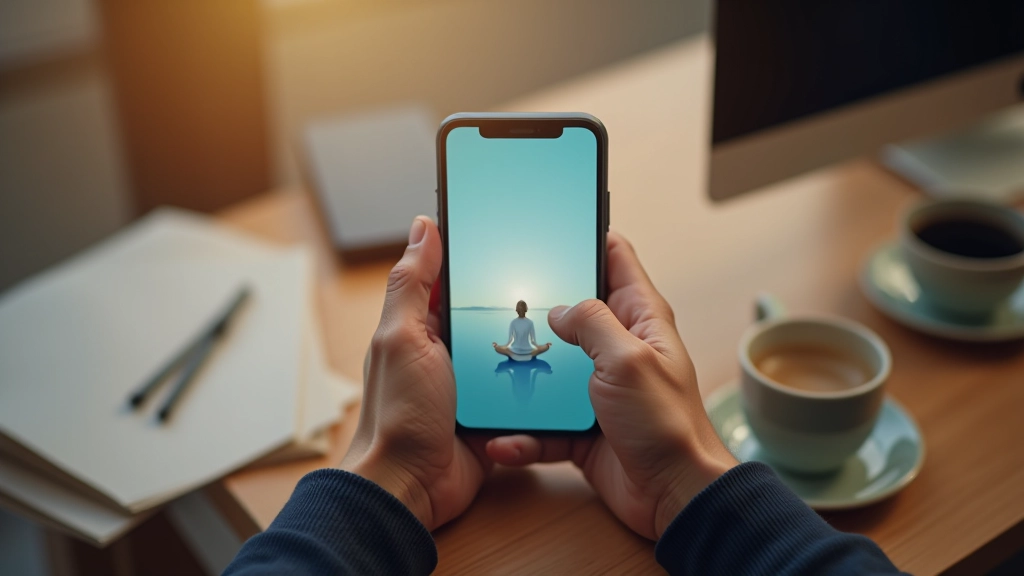

Box Breathing at Your Desk
A four-count breathing technique that takes four minutes and requires no special equipment. Simple, effective, and works within view of your colleagues.
You don’t need a dedicated room. This guide shows how to claim a quiet corner in any office and make it work for reset moments.
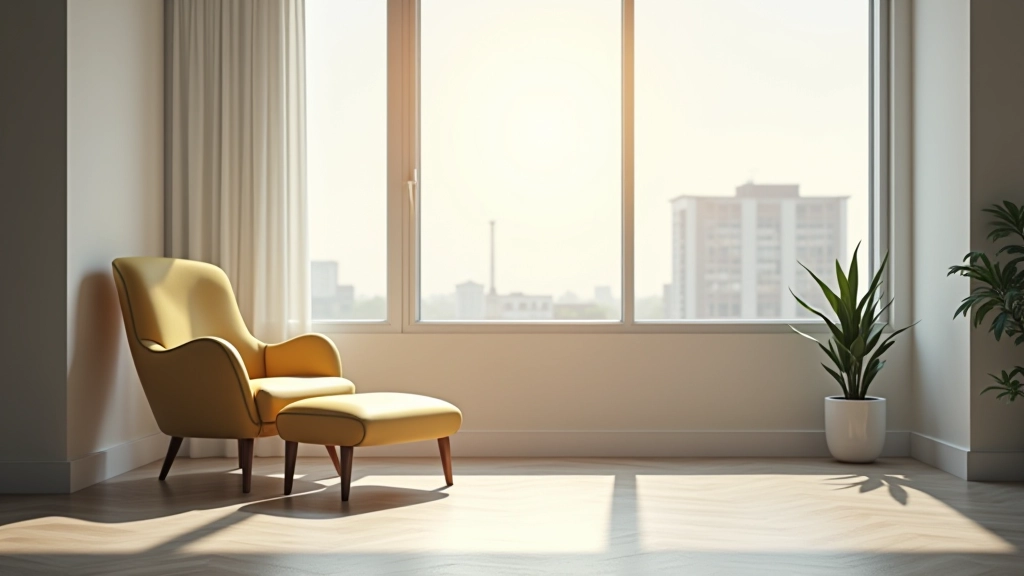

The biggest myth about meditation spaces? You need a whole room. You don’t. We’ve helped hundreds of people set up meditation spots in desks, storage closets, corners next to windows, and even quiet hallways. What matters isn’t the size—it’s intentionality.
A micro-space is your personal reset zone. It’s typically between 2×3 and 3×4 feet. Small enough that it fits anywhere, large enough that you can sit comfortably and actually breathe. And here’s what we’ve noticed: when you have a dedicated spot, you’re 3x more likely to actually use it.
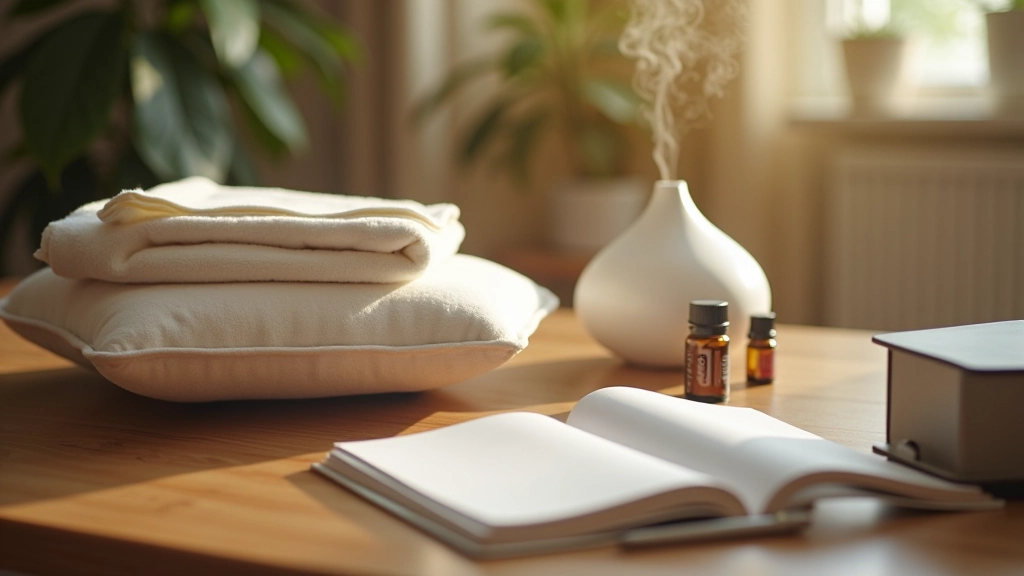
You’ll want three things in your micro-space. First, something to sit on. A small meditation cushion (zafu) is ideal—they’re 4 inches high, cost around $25-40, and fold flat. If you can’t have that at work, a folded blanket works just fine. We’ve seen people use desk chairs too, though the height matters.
Second, control your light. If your corner gets afternoon sun, that’s actually helpful—natural light keeps you alert. But harsh overhead fluorescents? That’s harder. Consider a small clip lamp with warm-white bulbs, or position yourself near a window. Even diffused light through frosted glass makes a difference.
Third, manage sound. You don’t need silence—just consistency. A small white-noise machine or earplugs can help. Some people play ambient soundscapes at low volume (search “meditation ambient” on YouTube). The goal is predictable audio, not zero sound.
Quick setup tip: If your office won’t let you keep a cushion at your desk, store it in a drawer or your car. It takes 30 seconds to place it on your chair. The ritual of setting up matters as much as the space itself.
Location beats decoration every time. Here’s what we look for. First, privacy. You don’t need a locked door, but you want to avoid being directly in a hallway where people walk past constantly. A corner cubicle, an unused conference room during lunch, or a spot in the parking garage stairwell all work. The point is: you won’t feel watched.
Second, consistency. Pick a spot you can access at the same time each day if possible. Your brain starts associating that location with calm. After two weeks of using the same corner at 2pm, your nervous system will actually start relaxing the moment you walk there. That’s not magic—it’s conditioning, and it works.
Third, practicality. Don’t pick somewhere that requires you to change clothes or travel 10 minutes. If it takes longer to get there than the meditation itself, you won’t do it. Your micro-space should be 2-3 minutes from your desk, maximum.
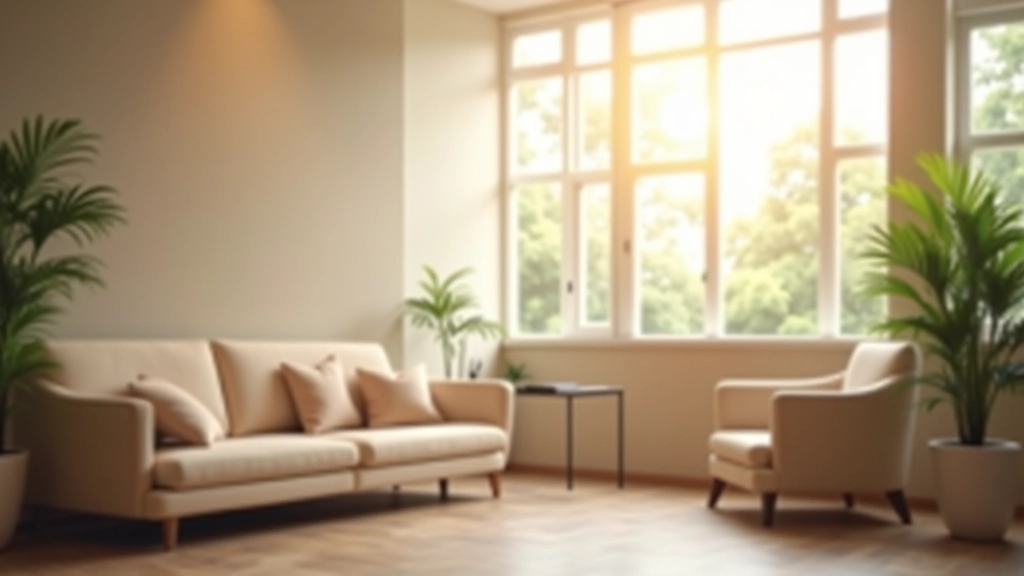

Once you’ve claimed your micro-space, protect it. This means setting boundaries. Tell your team when you’re meditating—actually tell them. “I’m taking a meditation break from 2 to 2:15” sounds weird the first time, but people respect it. We’ve found that transparency works better than secrecy. No one questions meditation breaks.
Put your phone on silent. Not vibrate—silent. Vibrations are distracting. If you need to be reachable for emergencies, tell your manager that you’ll check messages every 15 minutes. Five minutes is too frequent. You’re not actually getting a break if you’re worried about missing something.
The hardest part? Consistency. You’ll skip days. Life happens. But here’s what we tell people: use your space at least twice a week, minimum, to maintain the neurological conditioning. Once a week keeps the habit alive. Daily is ideal, but twice-weekly is realistic for most office workers.
Real talk: Your micro-space won’t feel magical immediately. First session, you’ll be restless. Second session, maybe less so. By session five, you’ll notice your shoulders drop when you sit down. By week three, you’ll actually crave it. That’s when you know it’s working.
Creating a meditation micro-space isn’t about finding a perfect room or spending money you don’t have. It’s about claiming five minutes of your day that belong to you. A corner. A cushion. A quiet moment. That’s enough.
The meditation happens in your mind, not your location. But the location matters because it trains your nervous system to recognize the pattern. When you sit in your micro-space, your body learns that calm is coming. That’s a skill worth building, and it takes less space than you’d think.
Start with 5 minutes. Pick your spot this week. Don’t overthink the setup. Just sit, breathe, and let your mind settle. Everything else follows.
This article is for informational purposes and is not a substitute for professional medical or psychological advice. Meditation can be a helpful complement to mental health care, but it’s not a replacement for treatment from qualified healthcare providers. If you’re experiencing severe stress, anxiety, or other health concerns, please consult with a healthcare professional. Everyone’s response to meditation varies—what works for one person may differ for another.